
No More Constipation: How Acupuncture and TCM Bring Natural, Lasting Relief
Acupuncture Constipation: Understanding Constipation Through a TCM Lens

Constipation is a common digestive issue that affects millions, causing discomfort, bloating, and frustration. While Western medicine often relies on laxatives and medications, Traditional Chinese Medicine (TCM) offers a holistic approach to address the root causes of constipation. By using acupuncture needles, Chinese herbs, and tailored nutrition, TCM provides natural, effective relief with minimal side effects. In this blog, we’ll explore how TCM views and treats constipation, the risks of chronic constipation, and why acupuncture for constipation is a game-changer compared to Western treatments. If you’re seeking lasting relief, discover how our Fort Lauderdale TCM clinic can help.
What is Constipation in Traditional Chinese Medicine?
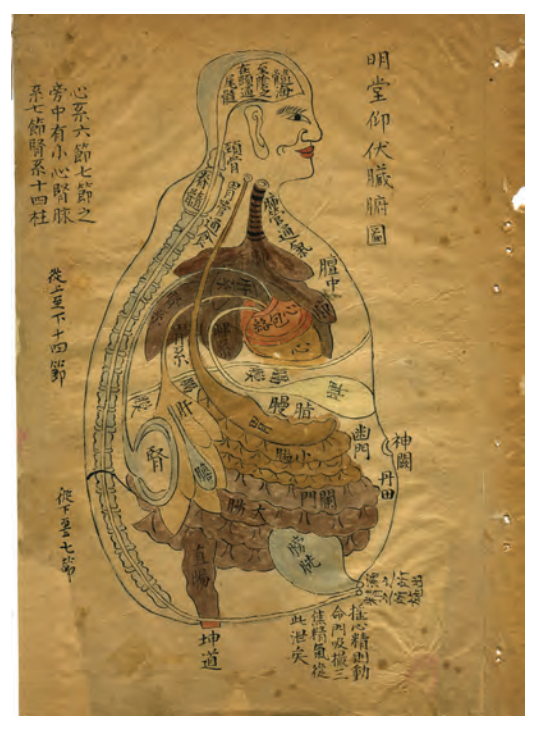
In TCM, constipation is not just a digestive issue but a sign of imbalance in the body’s energy, or Qi. TCM practitioners view constipation as a disruption in the flow of Qi, particularly in the Large Intestine, Spleen, and Stomach meridians. Common patterns include:
Qi Stagnation: Stress or emotional tension can block energy flow, slowing bowel movements.
Deficiency of Qi or Yin: Weak digestion or lack of bodily fluids can lead to dry, hard stools.
Excess Heat or Cold: Imbalances in the body’s temperature can impair intestinal function.
Unlike Western medicine, which often focuses on symptoms, TCM aims to restore harmony by addressing these underlying imbalances. This holistic perspective makes treatments like acupuncture for constipation highly effective.
Acupuncture for Constipation: A Gentle, Effective Solution
Acupuncture involves inserting fine needles into specific points on the body to stimulate energy flow and promote healing. For constipation, acupuncturists target points along the Large Intestine, Stomach, and Spleen meridians to regulate bowel function, reduce stagnation, and hydrate the intestines. Studies, and clinical trials such as those published in the Journal of Traditional Chinese Medicine, show that acupuncture can improve bowel movement frequency, stimulate the intestinal muscles and ease discomfort in patients with chronic functional constipation.
The process is painless, relaxing, and tailored to each patient’s unique pattern of imbalance. For example, a patient with Qi stagnation might receive treatment to calm the Liver meridian and to relieve stress, while someone with Yin deficiency could benefit from points that nourish bodily fluids. Unlike laxatives, acupuncture has no risk of dependency, stimulating bowel movements and peristalsis with minimal side effects, making it a safe choice for long-term relief.
Chinese Herbs: Nature’s Remedy for Constipation

Chinese herbal medicine complements acupuncture by addressing constipation at a deeper level. Herbal formulas are customized based on the patient’s TCM diagnosis. Common herbs for constipation include:
Ma Zi Ren Wan: A classic formula for dry stools due to Yin deficiency, containing hemp seed and rhubarb to lubricate the intestines.
Da Huang: Used in small doses to gently stimulate bowel movements without causing dependency.
Zhi Shi: Helps move stagnant Qi, relieving bloating and promoting regular bowel movements.
These herbs are carefully combined to avoid harsh purging effects common with over-the-counter laxatives. A 2018 study in Evidence-Based Complementary and Alternative Medicine found that Chinese herbal formulas significantly improved constipation symptoms with fewer side effects than Western medications.
TCM Nutrition: Eating for Better Bowel Health
Nutrition plays a vital role in TCM’s approach to relieve constipation. TCM emphasizes foods that stimulate digestion, hydrate the body, and balance Qi energy. Recommendations include:
Hydrating Foods: Pears, sesame seeds, and leafy greens moisten the intestines.
Fiber-Rich Choices: Sweet potatoes, oats, and flaxseeds promote healthy bowel movements.
Avoiding Damp Foods: Dairy, greasy, or overly processed foods can worsen stagnation.

TCM also advises eating warm, cooked meals to support the Spleen’s digestive function and avoiding cold or raw foods that can slow metabolism. By contrast, Western dietary advice often focuses solely on high fiber foods and water intake, which may not address underlying energetic imbalances. The common advise is to eat high fiber foods, but there are new studies showing that it can produce t digestive issues, nutrient absorption problems, and dehydration.
Also there is evidence that patients with Chron's disease or colitis benefits from reducing fiber intake.
There is lot more that fiber intake to relieve constipation.
If you suffer from chronic severe functional constipation, you need more than just eating whole grains and extra fluids, you need the help of a healthcare professional.
The Risks of Chronic Constipation on General Health
Chronic constipation is more than an inconvenience—it poses serious risks to overall health. When waste lingers in the intestines, it can lead to:
Toxin Buildup: Prolonged constipation may cause toxins to be reabsorbed into the bloodstream, contributing to fatigue, skin issues, chronic disease and weakened immunity.
Hemorrhoids and Anal Fissures: Straining during bowel movements can cause painful conditions that require medical intervention.
Increased Risk of Colorectal Issues: Research, including a 2017 study in Gastroenterology, links chronic constipation to a higher risk of colorectal cancer.
Mental Health Impact: The discomfort and frustration of constipation can lead to stress, anxiety, and reduced quality of life.
TCM’s proactive approach not only relieves constipation but also mitigates these risks by restoring balance and promoting the correct function of the digestive system.
Western Medicine vs. TCM: A Side-by-Side Comparison
Western medicine typically treats constipation with laxatives, stool softeners, or prescription drugs. While effective for short-term relief, these treatments often come with drawbacks:
Side Effects: Laxatives like senna or polyethylene glycol can cause cramping, diarrhea, or electrolyte imbalances. Long-term use may lead to dependency.
Symptom-Focused: Western treatments rarely address underlying causes like stress or dietary imbalances, leading to recurring issues.
Limited Scope: Medications focus on the bowels but overlook the interconnected systems that TCM considers, such as Liver Qi or Spleen function.
In contrast, TCM’s use of acupuncture, herbs, and nutrition offers a holistic solution with minimal side effects. Acupuncture for constipation, for instance, not only promotes bowel regularity but also reduces stress and improves energy flow. Chinese herbs are gentler than laxatives, and TCM nutrition supports long-term digestive health. A 2020 meta-analysis in The American Journal of Chinese Medicine confirmed that acupuncture and herbs outperform laxatives in efficacy and safety for chronic constipation.
In Soul Acupuncture & Herbal we alway promote the combination of western medicine and TCM to address the wellbeing of the digestive system.
Why Choose TCM for Constipation Relief?

TCM’s strength lies in its individualized, natural approach. Unlike one-size-fits-all Western treatments, TCM tailors therapies to each patient’s unique constitution and symptoms. This personalization may produce fewer side effects. Additionally, TCM fosters overall wellness, addressing related issues like stress, fatigue (energy), skin health, or poor sleep that may exacerbate constipation.
Patients often report feeling more energized and balanced after TCM treatments, a benefit rarely seen with Western medications. By choosing acupuncture for constipation, you’re investing in a solution that supports both immediate relief and long-term health.
With no support from big companies it is difficult to produce scientific evidence to treat medical conditions like constipation, you can find lots of evidence of Chinese medical sciences in the website of The Journal of Chinese Medicine.
Visit Our Fort Lauderdale TCM Clinic for Personalized Care
If you’re struggling with constipation, it’s time to explore the natural, effective solutions offered by Traditional Chinese Medicine. At our Fort Lauderdale TCM clinic, Soul Acupuncture & Herbal, we specialize in acupuncture, Chinese herbs, and nutritional guidance to help you achieve lasting relief. Our experienced practitioners will assess your unique needs, create a personalized treatment plan, and guide you toward better digestive health.
Don’t let constipation hold you back from living your best life. Contact us today to schedule a consultation and discover how acupuncture for constipation can transform your wellness journey.
Conclusion: Embrace Natural Healing with TCM
Constipation doesn’t have to be a chronic burden. Through the power of acupuncture, Chinese herbs, and TCM nutrition, you can address the root causes of constipation while minimizing health risks and side effects. Compared to Western medicine’s reliance on medications, TCM offers a safer, more holistic path to digestive wellness. By choosing TCM, you’re not just treating symptoms—you’re nurturing your body’s natural ability to heal.
Ready to experience the benefits of acupuncture for constipation? Visit our Fort Lauderdale TCM clinic and start your journey to better health today. Your body deserves the gentle, effective care that only TCM can provide.


Comments