
Acupuncture vs Massage: Which Therapy Offers Better Relief for You?
Acupuncture and Massage Are Complementary, Not Competing
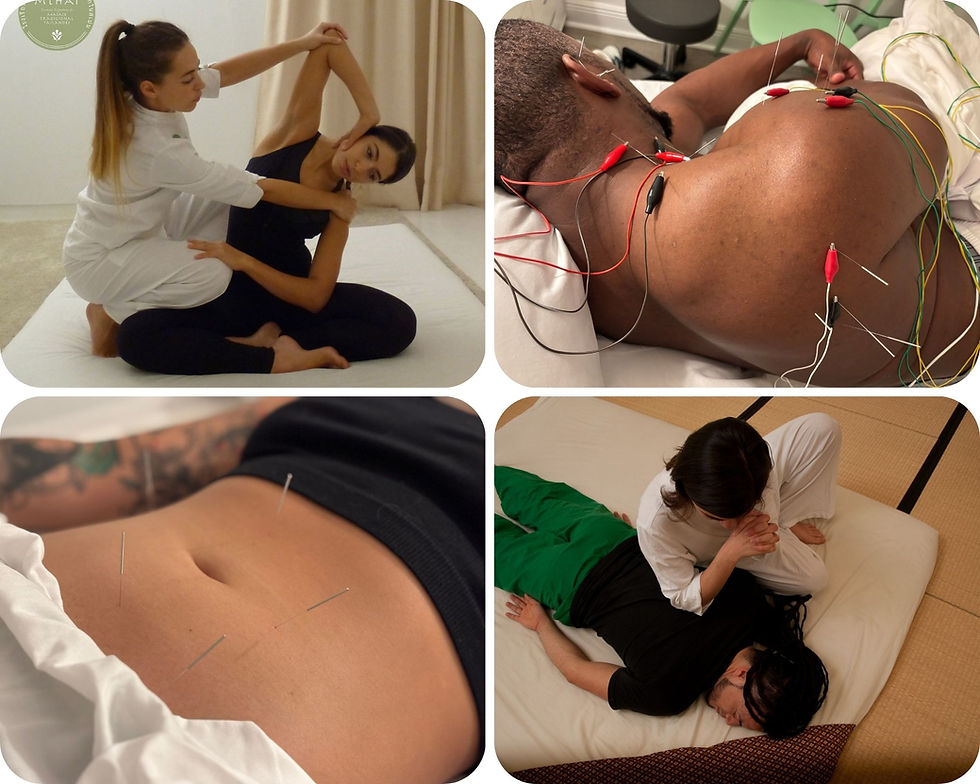
When people search for “acupuncture vs massage,” they are often dealing with pain, stress, inflammation, or a chronic condition that has not fully responded to conventional care. Both acupuncture and massage therapy are widely used complementary treatments, and both can play valuable roles in supporting health and well-being.
However, while they may appear similar on the surface, they work through different mechanisms and deliver different levels of therapeutic depth.
Massage therapy primarily works on the muscles and soft tissues of the body. It is excellent for relieving tension, improving circulation in targeted areas, and promoting relaxation.
Acupuncture, on the other hand, is a comprehensive medical system with thousands of years of clinical history. It influences not only muscles and fascia but also the nervous system, immune system, hormonal regulation, and internal organ function.
It is important to state clearly that acupuncture and massage are not enemies. In fact, they are often used together.
Many licensed acupuncturists incorporate brief massage techniques such as Tui Na or targeted soft-tissue work into their treatments when it is clinically appropriate. However, the reverse is not true: massage therapy alone cannot replicate the systemic regulatory effects of acupuncture.
This article explains why. By examining mechanisms of action, scope of treatment, long-term outcomes, and clinical depth, it becomes clear that while massage has value, acupuncture offers a broader, more powerful, and more sustainable approach to healing.
Fundamental Differences Between Acupuncture and Massage Therapy
Although both therapies are considered holistic, they are based on entirely different treatment models.
Massage therapy is a manual therapy. It relies on physical manipulation of muscles, connective tissue, and fascia to relieve tension and improve circulation. The effects are primarily local, meaning they occur in the area being worked on.
Acupuncture is a medical system. It is rooted in Traditional Chinese Medicine and supported by modern neurophysiological research. Acupuncture involves the insertion of fine needles into specific points on the body to regulate communication between the nervous system, organs, immune responses, and musculoskeletal structures.
Key distinctions include:
Massage focuses on soft tissue manipulation
Acupuncture focuses on systemic regulation
Massage treats localized discomfort
Acupuncture treats underlying imbalances
Massage effects are often temporary
Acupuncture effects are cumulative and long-lasting
Acupuncture points are not chosen randomly. Each point has a defined function, often influencing distant parts of the body or internal systems. For example, a point on the leg may be used to treat digestive issues, headaches, or hormonal imbalance. Massage therapy does not have this level of systemic reach.
This foundational difference sets the stage for why acupuncture is able to treat a wider range of conditions and produce longer-lasting results.
How Acupuncture and Massage Affect the Nervous System
One of the most important distinctions between acupuncture and massage lies in how they interact with the nervous system.
-Massage therapy promotes relaxation by reducing muscle tension and stimulating sensory receptors in the skin. This can temporarily calm the nervous system and reduce stress. However, these effects tend to fade as the body returns to its habitual patterns.
-Acupuncture directly regulates the autonomic nervous system. Research shows that acupuncture can shift the body from sympathetic dominance (fight-or-flight) into parasympathetic dominance (rest-and-digest). This shift is essential for healing, tissue repair, immune regulation, and pain reduction.

Acupuncture influences the nervous system by:
Modulating pain pathways in the brain and spinal cord
Reducing central sensitization
Regulating stress hormone release
Improving vagal tone
Restoring balance between sympathetic and parasympathetic activity
Because chronic pain, inflammation, anxiety, insomnia, and many functional disorders are rooted in nervous system dysregulation, acupuncture addresses the problem at its source rather than offering surface-level relief.
Massage may feel deeply relaxing, but acupuncture actively retrains the nervous system. This distinction is critical when comparing short-term comfort to long-term healing.
Pain Relief: Local Muscle Relaxation vs Central Pain Modulation
Both acupuncture and massage are commonly used for pain relief, but they work through very different mechanisms.
Massage relieves pain primarily by relaxing tight muscles, improving blood flow, and reducing mechanical tension. This can be very effective for acute muscle soreness or post-exercise recovery.
Acupuncture, however, works at multiple levels of pain processing:
It stimulates the release of endorphins and enkephalins
It modulates serotonin and dopamine pathways
It reduces pain signal transmission in the spinal cord
It influences brain regions involved in pain perception
This means acupuncture does not just relax muscles; it changes how the brain interprets pain signals.
This is why acupuncture is particularly effective for:
Chronic low back pain
Migraines and tension headaches
Neuropathic pain
Fibromyalgia
Joint pain and arthritis
Massage therapy may provide relief for these conditions, but it does not significantly alter central pain processing. As a result, massage often needs to be repeated frequently to maintain results, while acupuncture builds cumulative improvement over time.
Inflammation Reduction and Immune System Regulation

Inflammation is a major contributor to pain, stiffness, fatigue, and chronic disease. Understanding how each therapy affects inflammation further clarifies their differences:
-Massage can improve circulation and lymphatic drainage, which may temporarily reduce localized swelling. However, its impact on systemic inflammation is limited.
-Acupuncture has been shown to influence inflammatory pathways at a biochemical level. It can reduce pro-inflammatory cytokines and promote anti-inflammatory signaling throughout the body.
Acupuncture helps regulate inflammation by:
Modulating immune cell activity
Reducing chronic inflammatory signaling
Improving microcirculation
Supporting adrenal and hormonal balance
This makes acupuncture especially valuable for conditions involving chronic or systemic inflammation, such as autoimmune disorders, arthritis, inflammatory bowel conditions, and chronic fatigue syndromes.
Massage may feel soothing in these cases, but acupuncture addresses the underlying inflammatory process itself.
Scope of Conditions Treated: Why Acupuncture Is More Comprehensive
Massage therapy is primarily effective for musculoskeletal conditions and stress relief. Its scope is valuable but limited.
Acupuncture has a much broader clinical range. In addition to musculoskeletal pain, it is commonly used for:
Digestive disorders
Hormonal imbalance
Menstrual pain and PMS
Fertility support
Migraines
Anxiety and depression
Insomnia
Allergies
Post-surgical recovery
This is because acupuncture works through internal regulatory systems rather than focusing solely on muscle tissue.
Massage cannot directly influence organ function, endocrine signaling, or immune modulation. Acupuncture can.
For this reason, acupuncture is increasingly integrated into hospital settings, pain clinics, oncology support programs, and integrative medicine practices, while massage is more commonly used as a supportive wellness therapy.
Short-Term Relief vs Long-Term Results
One of the most noticeable differences patients experience when comparing acupuncture and massage is how long the results last.
-Massage therapy often provides immediate relief. Muscles feel looser, stress levels drop, and pain temporarily subsides. However, these effects frequently fade within days, especially for chronic conditions. The body tends to return to its pre-treatment state unless sessions are repeated frequently.
-Acupuncture works differently. Rather than simply relaxing tissue, it creates physiological changes that continue after the treatment session ends. By regulating nervous system signaling, reducing inflammation, and restoring internal balance, acupuncture produces cumulative effects.
Over time, patients receiving acupuncture often notice:
Fewer pain flare-ups
Reduced symptom intensity
Longer intervals between treatments
Improved baseline function
This makes acupuncture especially valuable for chronic pain, autoimmune conditions, and long-standing stress-related disorders. Massage can be supportive, but acupuncture builds toward lasting change.
Treatment Precision and Individualized Diagnosis
Acupuncture is not a one-size-fits-all therapy. Each treatment is based on a detailed diagnostic process that may include pulse assessment, tongue observation, symptom pattern analysis, and evaluation of lifestyle factors.
An acupuncturist selects specific points based on:
The root cause of the condition
The patient’s overall constitution
Internal organ relationships
Nervous system patterns
Massage therapy, while skilled and beneficial, is generally less diagnostically precise. Treatment focuses on areas of tension or discomfort, often guided by palpation and patient feedback rather than systemic pattern differentiation.
Because acupuncture points have defined actions, treatment can be extremely targeted. A point on the hand may influence headaches, digestion, or stress levels. This level of precision allows acupuncture to address complex, multi-system conditions more effectively than massage alone.
Professional Training and Clinical Scope
The difference in training between acupuncturists and massage therapists further explains why acupuncture offers broader therapeutic potential.
Licensed acupuncturists undergo extensive education that includes:
Traditional Chinese Medicine theory
Anatomy and physiology
Pathology
Neurology
Clinical diagnosis
Hundreds to thousands of supervised clinical hours
This medical-style training allows acupuncturists to assess internal imbalances and create comprehensive treatment plans.
Massage therapists are highly trained in manual techniques, anatomy, and client care, but their scope is primarily musculoskeletal. They do not diagnose systemic conditions or regulate internal organ function.
This difference in training translates directly into treatment depth. Acupuncture operates within a diagnostic and therapeutic framework, while massage focuses on physical manipulation for symptom relief.
Preventative Care and Health Maintenance
Acupuncture is not only a treatment for illness or pain; it is also a preventative therapy.
Regular acupuncture sessions can help maintain nervous system balance, prevent flare-ups, and support overall resilience.
Preventative acupuncture may help:
Reduce stress accumulation
Support immune function
Stabilize mood and sleep
Maintain hormonal balance
Prevent recurrence of chronic pain
Massage, while relaxing and beneficial, is usually sought reactively rather than preventatively. People often book a massage once tension or pain has already become uncomfortable.
Because acupuncture works at the regulatory level, it supports long-term health maintenance rather than only responding to symptoms after they appear.
Why Acupuncturists Often Include Massage Therapy
In many clinical settings, acupuncture treatments include brief periods of massage or soft tissue work. This is done intentionally and strategically.
An acupuncturist may use massage to:
Release local muscle tension before needling
Improve circulation in a specific area
Enhance patient comfort
Support the effects of acupuncture points
Complement your treatment with nutritional therapy
Techniques such as Tui Na are part of Traditional Chinese Medicine and are used as adjuncts to acupuncture, not replacements.
This integration highlights an important distinction: acupuncture can include massage, but massage cannot replace acupuncture. Acupuncture serves as the primary regulatory treatment, while massage supports it when needed.
Safety, Sensitivity, and Adaptability
Both acupuncture and massage are generally safe when performed by trained professionals, but acupuncture offers greater adaptability for sensitive patients.
Acupuncture can be:
Extremely gentle
Modified for frail or elderly patients
Adapted for autoimmune sensitivity
Used even when deep pressure is not tolerated
Some patients find massage uncomfortable or overstimulating, especially those with chronic inflammation, fibromyalgia, or nervous system hypersensitivity. Acupuncture allows for precise stimulation without excessive physical pressure.
This adaptability makes acupuncture accessible to a wider range of patients and conditions.
Evidence-Based Recognition and Medical Integration
Acupuncture has gained significant recognition within modern healthcare systems. It is increasingly integrated into hospitals, pain clinics, and integrative medicine programs.
Major organizations and institutions recognize acupuncture for:
Chronic pain management
Postoperative recovery
Cancer-related symptom support
Stress-related disorders
Massage therapy is also respected and valued, particularly for relaxation and supportive care, but it is less frequently included as a primary medical intervention.
The growing integration of acupuncture into clinical settings reflects its effectiveness, versatility, and systemic impact.

Acupuncture vs Massage: Outcomes, Integration, and Final Comparison
Patient Outcomes and Reduced Treatment Dependency
One of the most meaningful differences between acupuncture and massage emerges over time. While both therapies can improve quality of life, their long-term impact on patient dependency is not the same.
Massage therapy often requires ongoing, frequent sessions to maintain results. Because it primarily addresses surface-level tension and localized discomfort, symptoms tend to return once treatment stops. Many patients find themselves relying on regular massage appointments to feel functional.
Acupuncture, by contrast, aims to correct underlying dysfunction. As nervous system regulation improves and inflammation decreases, patients often notice that they need fewer treatments over time. The goal of acupuncture is not dependency, but self-regulation.
Patients commonly report:
Longer symptom-free periods
Improved sleep and energy
Reduced reliance on pain medications
Greater emotional resilience
A sense of internal balance rather than temporary relief
This shift from symptom management to functional restoration is a defining feature of acupuncture.
Internal Healing vs External Relief
Massage therapy works from the outside in. It influences muscles, connective tissue, and circulation through direct physical contact. This external approach is effective for releasing tension and promoting relaxation.
Acupuncture works from the inside out. By stimulating specific points, it communicates directly with the nervous system, endocrine signaling, and immune pathways. These internal systems then create changes throughout the body.
This distinction matters because many modern health issues are not caused by isolated muscle tightness. They are driven by:
Chronic stress
Nervous system imbalance
Inflammation
Hormonal disruption
Immune dysregulation
Massage may ease discomfort associated with these conditions, but acupuncture addresses the internal mechanisms that create them.
Energy, Circulation, and Systemic Balance
From the Traditional Chinese Medicine perspective, acupuncture regulates the flow of Qi and Blood throughout the body. Blockages or imbalances in this flow are believed to contribute to pain, illness, and dysfunction.
From a modern physiological perspective, acupuncture improves:
Neural communication
Microcirculation
Tissue oxygenation
Organ signaling
Brain-body coordination
Massage improves circulation locally and mechanically. Acupuncture optimizes circulation systemically and neurologically.
Both perspectives lead to the same conclusion: acupuncture affects the entire network, while massage primarily affects individual areas.
Conclusion: Complementary Therapies, Different Depths of Healing
Acupuncture and massage therapy are not competitors. They are complementary therapies with different strengths.
Massage soothes the body.Acupuncture restores balance.
In an era where chronic stress, inflammation, and chronic pain are increasingly common, therapies that regulate the nervous system and support long-term healing are essential. Acupuncture stands out as a comprehensive, evidence-supported, and deeply effective treatment that goes beyond surface relief.
For those seeking not just comfort, but true regulation and lasting change, acupuncture offers a superior path to healing.
Ready to Experience the Benefits of Acupuncture in South
Florida?
If you’ve read this far, you already understand that acupuncture offers deeper, longer-lasting healing by regulating the nervous system, reducing inflammation, and addressing the root causes of pain and imbalance.
The next step is experiencing it for yourself — in the right environment, with the right practitioners.
At Soul Acupuncture & Herbal in Fort Lauderdale, patients across South Florida find more than just treatment. They find a calm, healing space where care is thoughtful, personalized, and grounded in both Traditional Chinese Medicine and modern clinical understanding.
Led by Meg Frodel, AP, and Eduardo Velasco, AP, Soul Acupuncture & Herbal is known for:
- Excellent TCM pulse and diagnostic skills
- A truly healing, welcoming environment
- Compassionate bedside manner and attentive care
-A well-curated herbal pharmacy offering custom Chinese herbal formulas
- A focus on whole-person healing, not just symptom relief
- Consistently good energy, professionalism, and patient trust
Whether you are dealing with chronic pain, stress, inflammation, hormonal imbalance, or simply want to support your long-term health, acupuncture at Soul Acupuncture & Herbal offers a comprehensive, patient-centered approach that goes far beyond temporary relief.
If you’re in Fort Lauderdale, Broward County, or the greater South Florida area, and
you’re ready to experience acupuncture in a space designed for real healing, we invite you to take the next step.
Click the link below to book your acupuncture session at Soul Acupuncture & Herbal
and begin your healing journey today.


Comments